Studio Sound Engineering — Campus Short Course
Learn how a recording session moves from microphone setup to a balanced mix. You will work with studio connections, recording and editing, plug-ins, effects, session planning, audio quality and the practical habits that keep a studio session organised.
15% off 2027 enrolment. Apply, receive admission approval and complete the qualifying payment by 30 November 2026.
Learn the full process.
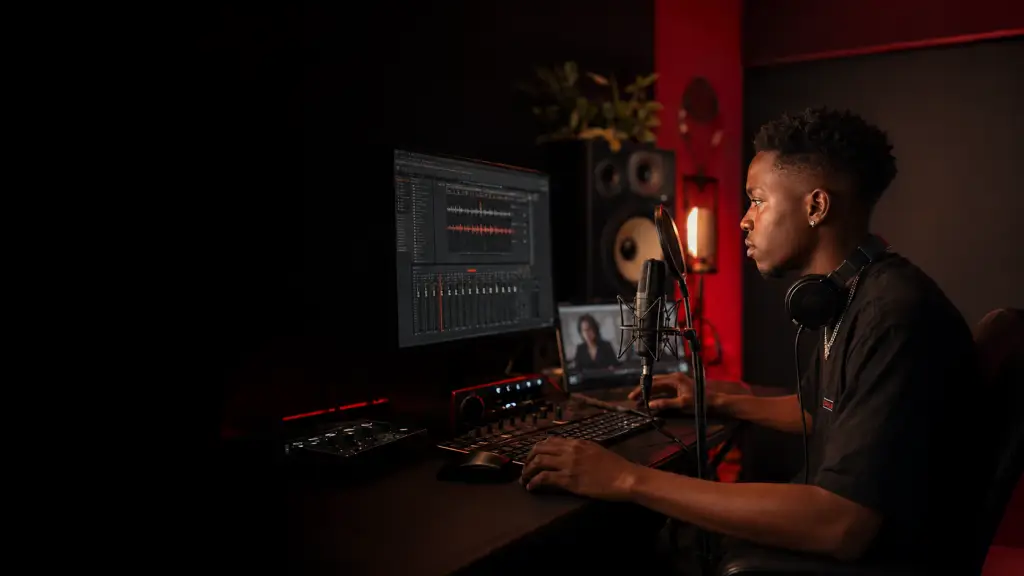
This course introduces the technical and listening skills used in a recording studio. Learners follow the signal from the sound source through the microphone and recording system into the digital audio workstation, then edit and mix the material.
Saturday sessions use guided demonstrations and practical recording work. The aim is to understand why an engineer makes each choice, not simply where to click in the software.
Skills you can use.
- Plan a simple recording session and prepare the studio.
- Connect microphones, interfaces and monitoring equipment correctly.
- Capture a clean source and organise recorded material.
- Edit audio and use plug-ins and effects with control.
- Build a balanced mix using level, panning, EQ and dynamics.
- Maintain orderly sessions, files and basic studio equipment.
Knowledge. Practice. Workplace experience.
Classes are presented in person on Saturdays and combine explanation, demonstrations and guided practical work. The campus and start date depend on the published intake timetable.
Equipment and software are used during supervised sessions. Admissions will confirm what learners need to bring and whether any practice outside class is expected.
- Recording and editing techniques
- Planning a sound production
- Source quality and microphone choices
- Studio equipment setup and connections
- Plug-ins and effects
- Studio workflow and maintenance
- Audio mixing techniques
- Final practical project
How progress is assessed.
Learners complete practical exercises, short knowledge checks and a final project or demonstration. Feedback is given throughout the course.
An RMA short-course certificate is issued after the required attendance and assessment work has been completed successfully. This is a non-credit-bearing provider course, not a QCTO occupational qualification.
Take the course information with you.
Course prospectus
Fee structure
Apply, receive admission approval and complete the qualifying payment by 30 November 2026.
Check that you qualify.
A minimum of Grade 10 is recommended. No Matric certificate is required. Learners should be able to understand spoken and written English, have an interest in sound or music and be comfortable working on a computer.
Apply online and choose your preferred campus. Admissions will confirm the next Saturday start date, available places, fee, required payment and anything you need to bring to class.