Higher Occupational Certificate: Radio and Multimedia Content Practitioner
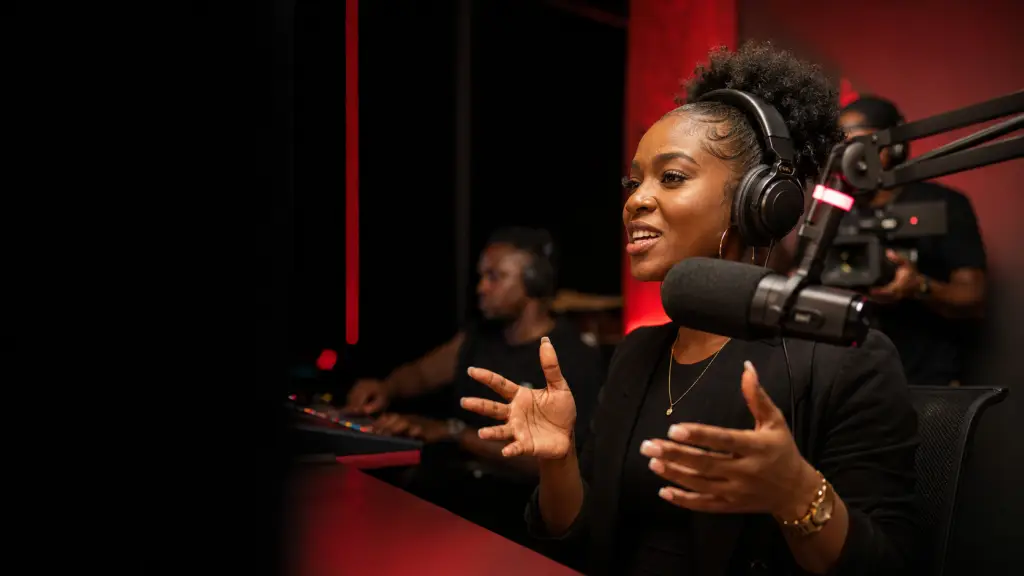
Our Radio Broadcasting Course combines presenting, research, interviewing, audio production and multiplatform content creation. The course combines storytelling and presenting with studio technology, production planning and the day-to-day systems behind a working broadcast operation.
15% off 2027 enrolment. Apply, receive admission approval and complete the qualifying payment by 30 November 2026.
Learn the full process.
This qualification is for people who want to make audio-led content and understand the full broadcast workflow. Learners research and shape ideas, write for the ear, prepare a running order, record and edit content, present on microphone and publish work for radio and digital audiences.
You will also learn how equipment, streaming tools, podcasts, social platforms, schedules, budgets, regulation and production teams fit together. Practical and workplace tasks are used to turn the theory into work that can be heard and reviewed.
Skills you can use.
- Research and develop audience-relevant content for radio and multimedia.
- Write scripts, links, interview plans and programme material.
- Produce live and pre-recorded audio and multimedia content.
- Present clearly and confidently on radio and digital platforms.
- Set up and use recording, DAW, streaming, podcast and social tools.
- Plan schedules, budgets, logistics and compliance for a production.
- Support and supervise a small radio or multimedia production workflow.
Knowledge. Practice. Workplace experience.
Choose face-to-face study in Johannesburg or Pretoria, or complete the learning component online. The programme combines guided knowledge sessions, practical work and workplace experience.
Online study does not remove the practical, workplace or external-assessment requirements. Admissions will confirm where practical activities, workplace evidence and the EISA must be completed for your intake.
Knowledge modules · 40 credits
- Production administration and governance
- Content development concepts and principles
- Production principles and equipment functionality
- Content conceptualisation, creation and presenting
Practical skill modules · 65 credits
- Administration, budgeting and logistics
- Supervise production business processes
- Produce and present content
- Develop radio and multimedia content
- Produce live and pre-recorded content
- Present across radio and other media platforms
Work experience modules · 40 credits
- Media administration and logistics
- Supervision in a radio and multimedia production entity
- Content development processes
- Presenting pre-recorded content
How progress is assessed.
Assessment combines knowledge tasks, practical productions and verified workplace evidence. Learners must complete the knowledge, practical and work experience modules before entering the External Integrated Summative Assessment.
The EISA includes written assessment and a portfolio of evidence from workplace outcomes. The Assessment Quality Partner is MICT SETA.
Take the course information with you.
Course prospectus
Fee structure
Apply, receive admission approval and complete the qualifying payment by 30 November 2026.
Check that you qualify.
An NQF Level 4 qualification with Communication and Mathematical Literacy is required. Recognition of Prior Learning may provide access or module exemption where the approved requirements are met.
Applicants should be ready to write, speak on microphone, work with digital production tools and take part in practical and workplace activities.
Apply online and select your preferred study format. Submit your identity document and proof of the required prior qualification. Admissions will confirm the intake, timetable, practical and workplace arrangements, and any additional documents. Admissions will confirm any microphone, headphone, software or connectivity requirements for online study.