Studio Sound Engineering — Online Short Course
Learn the signal flow, recording, editing and mixing decisions behind a well-run studio session. The online course lets you work through demonstrations and practice material in your own time, using a digital audio workstation to build and complete a mix.
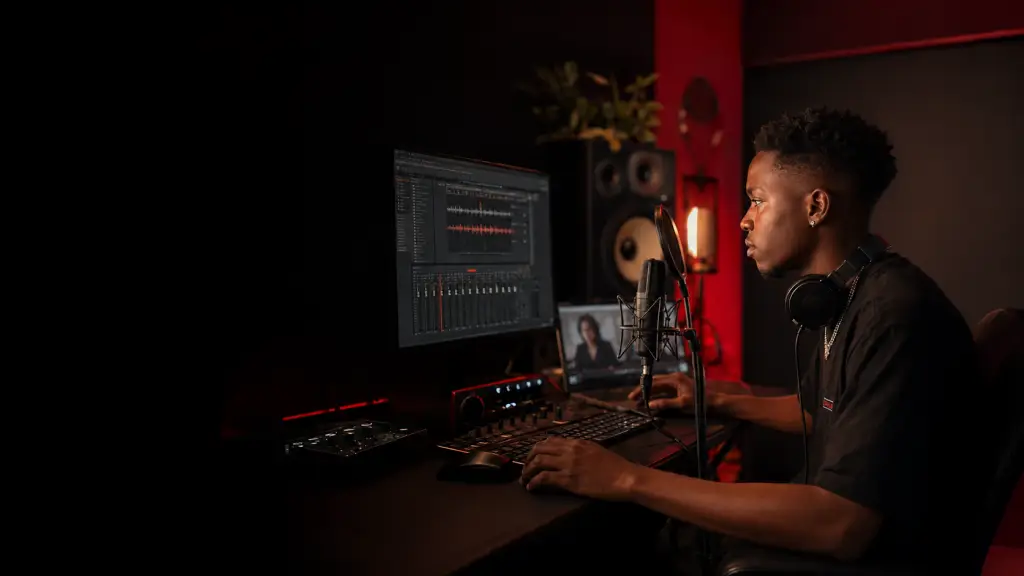
Learn the full process.
This course explains what happens between the sound source and the finished audio file. Learners study microphones, interfaces, gain, recording workflow, editing, plug-ins, effects, mixing and file management through guided online lessons.
Practice can be completed with provided session material where available. Learners with their own microphone and interface can also apply the process to original recordings, but an expensive studio is not required to understand the workflow.
Skills you can use.
- Explain the signal path through a basic recording setup.
- Prepare and organise a digital audio workstation session.
- Set sensible input levels and recognise common recording problems.
- Edit and clean audio while preserving a natural result.
- Use EQ, dynamics, effects, level and panning to build a balanced mix.
- Export, label, back up and present completed audio correctly.
Knowledge. Practice. Workplace experience.
Work through the lessons and practical tasks online in your own time. The recommended pace helps learners keep moving, but access is not tied to a weekly campus timetable.
Support, feedback, access period and any live online sessions depend on the published intake. Admissions will confirm these details, together with the required software and equipment, before registration.
- Studio signal flow and equipment
- Session planning and file organisation
- Microphones, placement and source quality
- Recording levels and monitoring
- Editing and audio repair
- Plug-ins, EQ, dynamics and effects
- Mixing workflow
- Final mix and delivery
How progress is assessed.
Assessment is based on short practical tasks and a final project submitted online. Learners receive feedback against the course outcomes.
An RMA short-course certificate is issued after the required work has been completed successfully. This is a non-credit-bearing provider course, not a QCTO occupational qualification.
Take the course information with you.
Course prospectus
Fee structure
Check that you qualify.
Learners need reliable internet access, headphones and a laptop or computer that can run the selected digital audio workstation. A microphone and audio interface are useful but not essential if practice session files are supplied.
Register online and make sure your email address is correct. Admissions will confirm the access period, support arrangement, fee, software requirements and the date on which your course access will be activated.