Radio Broadcasting
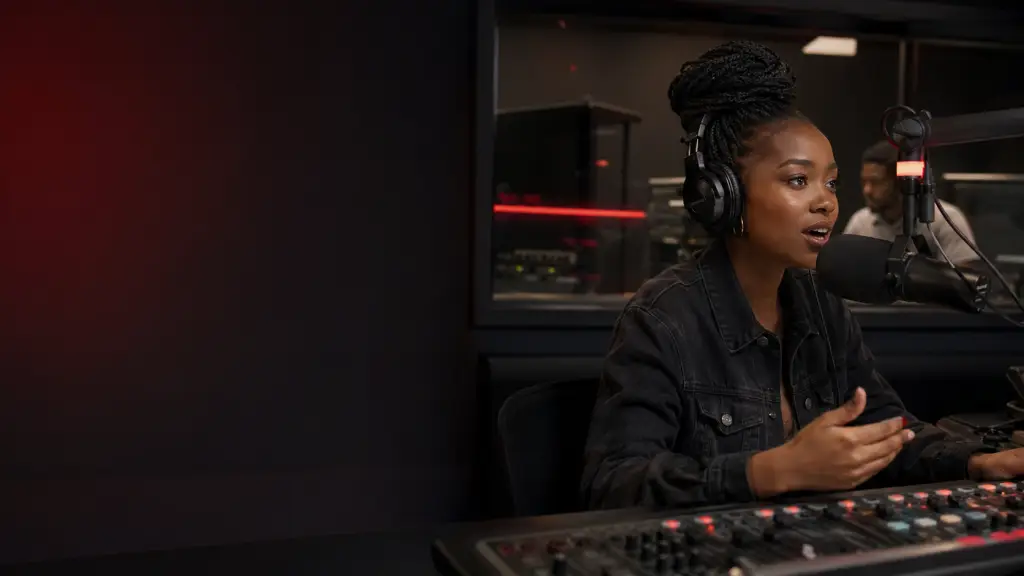
Learn how a radio programme is planned, written, presented and produced. Saturday sessions cover voice work, scripts, interviews, studio equipment and programme flow, with enough practical time to become more confident behind the microphone.
15% off 2027 enrolment. Apply, receive admission approval and complete the qualifying payment by 30 November 2026.
Learn the full process.
Radio works when the presenter, producer, content and technical operation support one another. This course introduces that full picture, from deciding what a programme is for and who it serves to writing links, preparing interviews and managing the flow of a show.
Learners practise on microphone and work with broadcast equipment in guided sessions. The course also provides a useful foundation for podcasting and other audio-led content.
Skills you can use.
- Write short scripts, links and programme material for the ear.
- Use the voice clearly and naturally for radio presentation.
- Prepare and conduct a focused interview.
- Plan a programme and manage its running order.
- Operate basic radio and broadcast equipment.
- Apply broadcast ethics and professional studio conduct.
Knowledge. Practice. Workplace experience.
Classes are presented in person on Saturdays and combine explanation, demonstrations and guided practical work. The campus and start date depend on the published intake timetable.
Equipment and software are used during supervised sessions. Admissions will confirm what learners need to bring and whether any practice outside class is expected.
- Scriptwriting for radio
- Voice and microphone technique
- Broadcast ethics
- Radio presenting
- Programme planning and management
- Radio and broadcast equipment
- Interview preparation and technique
- Practical programme production
How progress is assessed.
Learners complete practical exercises, short knowledge checks and a final project or demonstration. Feedback is given throughout the course.
An RMA short-course certificate is issued after the required attendance and assessment work has been completed successfully. This is a non-credit-bearing provider course, not a QCTO occupational qualification.
Take the course information with you.
Course prospectus
Fee structure
Apply, receive admission approval and complete the qualifying payment by 30 November 2026.
Check that you qualify.
A minimum of Grade 10 is recommended. No Matric certificate is required. Learners should be able to understand spoken and written English and should be willing to speak, write and take part in studio practice.
Apply online and choose your preferred campus. Admissions will confirm the next Saturday start date, available places, fee, required payment and anything you need to bring to class.